Automate manual work
AI Operators use logistics context and your SOPs to execute repetitive operational tasks, not merely suggest the next step.
AI execution for logistics operations
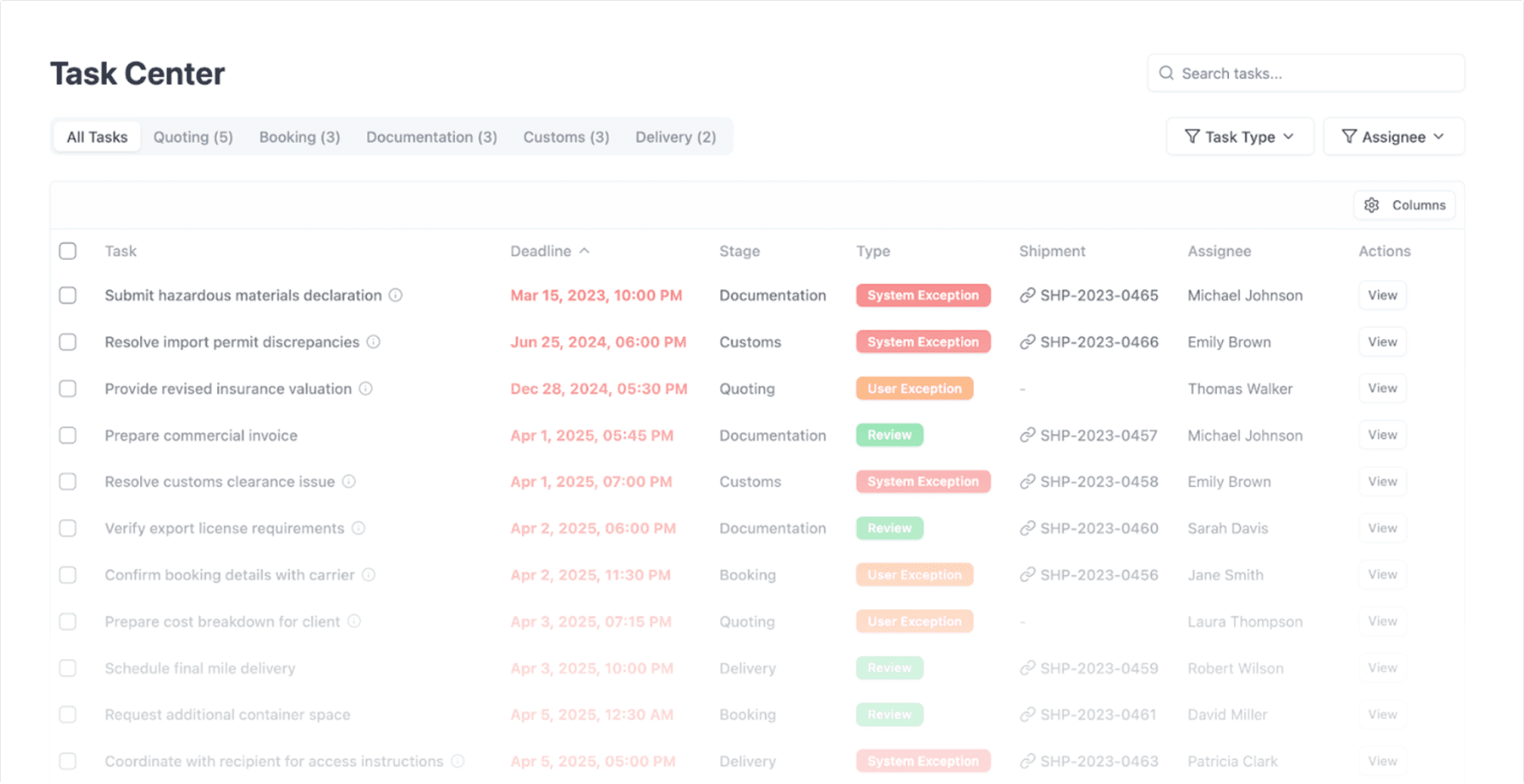
Shipflow deploys AI Operators for logistics companies—enterprise AI agents that execute and monitor logistics operations and customer workflows across Ocean, Air and Road.
Current workflow
New request
Booking request receivedCustomer email · 1 attachment · 09:41Enterprise AI automation built specifically for global logistics
Automation that fits your operation
Shipflow’s AI Operators combine industry knowledge with your SOPs to complete repetitive operational tasks and collaborate with the team you already have.
AI Operators use logistics context and your SOPs to execute repetitive operational tasks, not merely suggest the next step.
When a task needs judgment, AI Operators escalate it to the right person with the shipment context needed to act.
AI Operators follow your established SOPs to complete operational tasks consistently. Configure workflows around different requirements while keeping your team in control.
Workflows, not copilots
Deploy specialized AI Operators at the points where logistics teams lose the most time.
Handle quotation inquiries 24/7—calculate rates from your data and deliver accurate, up-to-date responses in seconds.
Explore workflow 02Read booking emails and forms, extract and validate shipment details, and create bookings directly in your TMS.
Explore workflow 03Process logistics documents, extract and validate shipment data, compare related files and enter approved information into your TMS.
Explore workflow 04Automate customer tenders and supply tenders—prepare customer responses, compare carrier bids and manage approved rates.
Explore workflow 05Run configurable shipment checks across pre-pickup, pickup, in-transit and delivery—then sync confirmed milestones to your TMS and escalate exceptions.
Explore workflow 06Capture carrier and vendor invoices, match charges against shipment records and expected costs, post eligible invoices and route discrepancies for review.
Explore workflow 07When a quote arrives, shortlist carriers and collect rates. Once a carrier is booked, chase shipment status and sync the updates to your TMS.
Explore workflow 08Detect shipment exceptions, assemble the operational context, coordinate the next action across teams, carriers and customers, and escalate decisions under your rules.
Explore workflowBuilt for global logistics
Mode-specific operators understand the documents, parties, milestones and exceptions that make each workflow different.
Run global ocean freight operations on AI Operators that manage bookings, execution and disruptions at enterprise scale.
Explore ocean 02Power time-critical air freight operations with AI Operators that execute faster and resolve exceptions before they escalate.
Explore air 03Operate high-volume trucking networks with AI Operators that coordinate pickups, changes and exceptions in real time.
Explore roadEnterprise-grade security
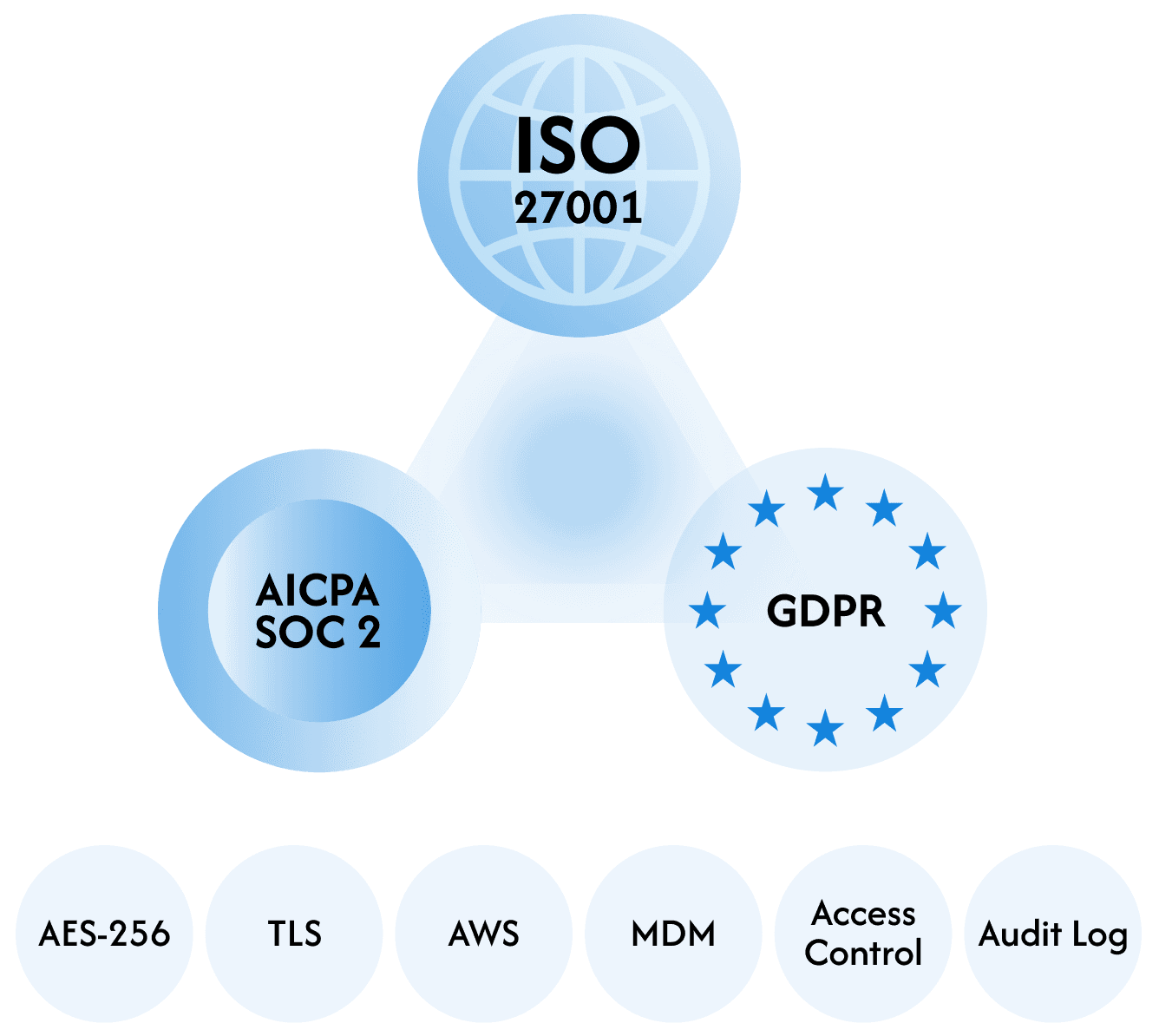
Shipflow is built with layered safeguards across infrastructure, encryption, access control and device management.
Connect to your existing systems
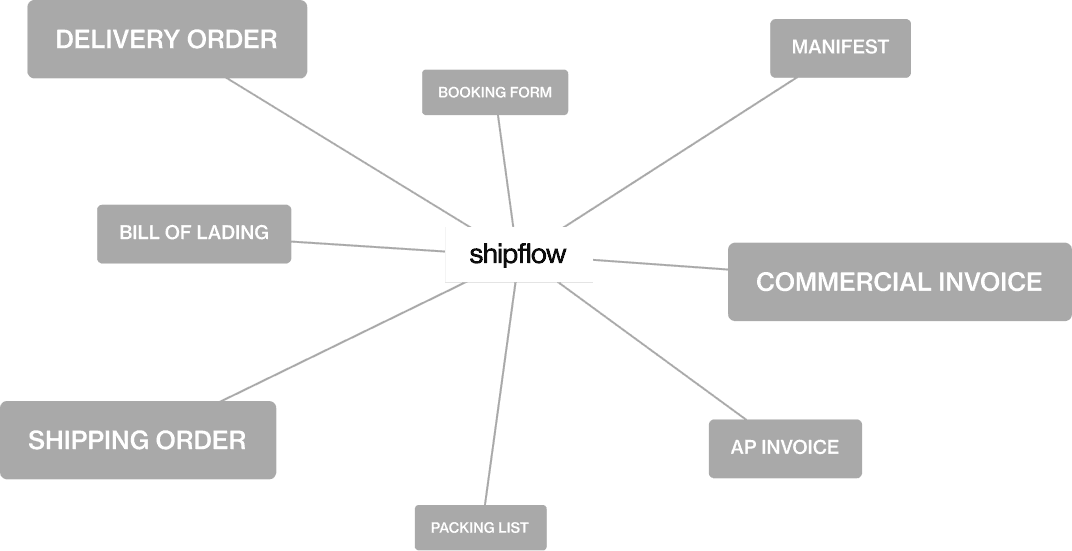
Shipflow connects with the tools already at the center of your operation—email, TMS, ERP, pricing engines and carrier portals—so your team does not have to replace working systems.
Customer testimonial
“Prior to Shipflow, our operators had to manually compare data fields between MBL and HBL three to four times per shipment, which was extremely time-consuming. With Shipflow, this process is now fully automated by AI.”

Questions, resolved
Shipflow is an enterprise AI automation platform that deploys AI Operators to execute and monitor repetitive logistics operations and customer workflows. Each AI Operator works across existing systems, follows configured SOPs, and escalates exceptions or approval-required actions to the appropriate person.
Shipflow is built for logistics companies, including freight forwarders, 3PLs, freight brokerages, carriers, warehouse operations, parcel and postal operators, transportation networks and integrated logistics providers.
Most enterprise deployments move from workflow discovery to production in one to three months. The exact timeline depends on workflow complexity, system access, data availability, security review and how quickly internal stakeholders can validate the SOP. Shipflow can deploy faster when the workflow scope and required access are ready.
Yes. Each AI Operator is configured around your existing SOPs, workflow steps, decision boundaries, system permissions, approval requirements and escalation rules. Your team determines what the AI Operator can complete autonomously, when human approval is required and how uncertain or out-of-policy cases are handled.
Yes. Shipflow’s Configuration Center allows authorized teams to manage SOPs at company, office and team levels. Shared operating standards can be applied across the organization, while office- or team-specific workflows can be configured where local requirements differ.
Teams monitor and manage AI Operators through Shipflow dashboards. They can see workflow status, the operational context and rules applied, actions taken, pending approvals, exceptions and outcomes. Authorized users can interact with work in progress and control the permissions, workflow configuration and human checkpoints that determine what each AI Operator can do.
Shipflow connects to the systems your team already uses—including email, TMS, ERP, CRM, carrier portals and pricing tools—so AI Operators can execute workflows without replacing your core technology.
Shipflow uses layered safeguards across infrastructure, encryption, access control and device management. Access is limited to the systems, data and actions required by each configured workflow. Shipflow is SOC 2 certified, holds ISO 27001 certification and maintains GDPR-compliant data practices.
Start with one workflow
See how Shipflow can remove repetitive work without removing human control.
Book a working session